
Why AI Ethics for Accountants Matters More Than Ever

With the increasing adoption of AI, there is a growing need for AI ethics, especially in the accounting industry. Using AI, data can be analyzed in new ways; it can be faster and more efficient. But it also poses ethical issues.
A group of accountancy bodies has warned that AI tools could raise, worsen or hide ethical risk. Overreliance on AI may undermine critical thinking, scepticism and independent judgement.
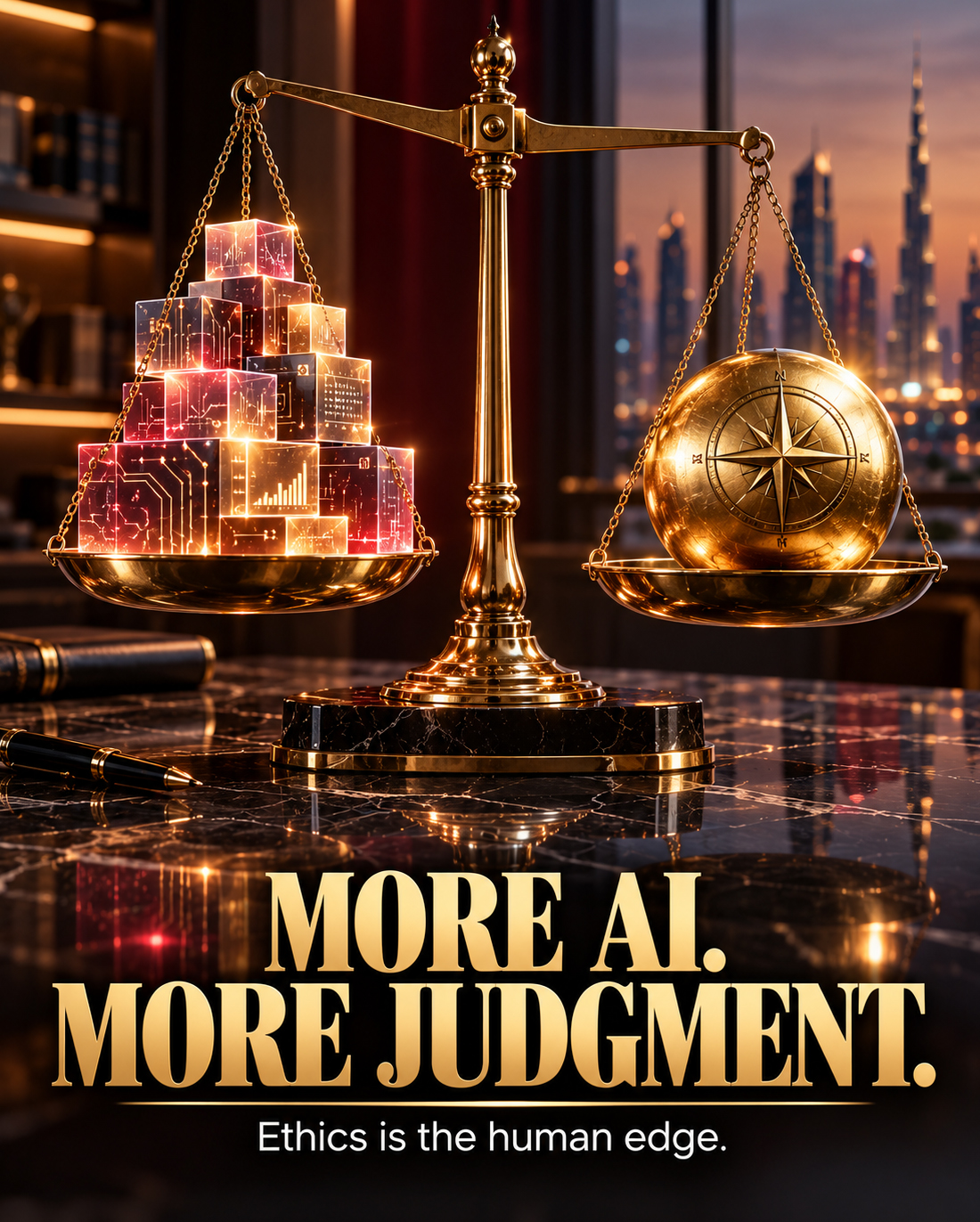
A new guideline from an international ethics board covers generative AI, agentic AI and other advanced tools. The message it conveys is straightforward: With new technology, the need for professional judgement increases and not decreases.
How AI Can Amplify Ethical Threats
Ethical challenges are not a new thing for accountants. They include the following:
- Any financial or other interest that may unduly influence or bias judgement or behaviour.
- Not properly reviewing the outcome of an earlier judgement or activity.
- Supporting a client’s position so strongly that objectivity is compromised.
- Long or close relationships that lead to excessive sympathy for a client or employer.
- Actual or perceived pressure that prevents an accountant from acting partially.
AI can strengthen these threats. Tight deadlines may decrease the quality of checks. People may trust a familiar system, accepting its answers without challenging or questioning them.
Using an Enquiring Mind
The international code of ethics addresses these threats. It requires an enquiring mind, professional judgement and a reasonable and informed third-party test to apply. This test asks what an informed, impartial person would decide after considering the facts.
Five Principles Behind AI Ethics for Accountants
The code sets five fundamental principles, explained below.
- Integrity
In AI ethics for accountants, integrity is about being honest about AI usage and its limits. AI content can’t be regarded as reliable until it’s verified. Several big companies have withdrawn or revised reports that were generated by AI due to inaccurate references and claims.
- Objectivity
Automated does not mean objective. AI can repeat biases in its data or design. It is important for accountants to be aware of automation bias, which is relying on a machine answer because it seems accurate. They should question unusual outcomes.
- Professional Competence & Due Care
The AI system has some limitations that accountants need to understand to determine if it is appropriate for a specific task. Numbers, assumptions, sources and conclusions may require separate verification.
- Confidentiality
Entering a client spreadsheet into a public or unapproved tool could expose sensitive information. Accountants need to be aware of how data is safeguarded and comply with organizational policy.
- Professional Behaviour
An action may be legal or technically possible and still fail to meet professional standards. Overreliance on unverified output can reduce trust that has been developed over many years.
Responsibility in AI Ethics for Accountants
AI may analyze data, prepare a report, or suggest a recommendation, but it can’t take responsibility.
Key Challenges of AI for Accountants
- Black Box Behaviour: Errors and bias are concealed by unclear reasoning.
- Algorithmic Bias: Biased or incomplete data poses a risk.
- Hallucinations: AI can confidently present false or unsupported information.
- Data Exposure: Confidential information may be stored, used again or disclosed.
- Ambiguous Review: It could be unclear who is responsible for the final decision.
- Algorithm Appreciation: Research indicates a growing preference for AI over human judgement.
Final Thoughts
Strong AI ethics in accountancy requires professionals to challenge AI outputs, safeguard confidential data and exercise sound judgement.
- Phone
- +971 56 524 0583
- [email protected]
- Office
- Office 217, Business Village, Block B, Al Maktoum, Deira, Dubai
- Hours
- Monday to Saturday, 9:00 to 18:00